About
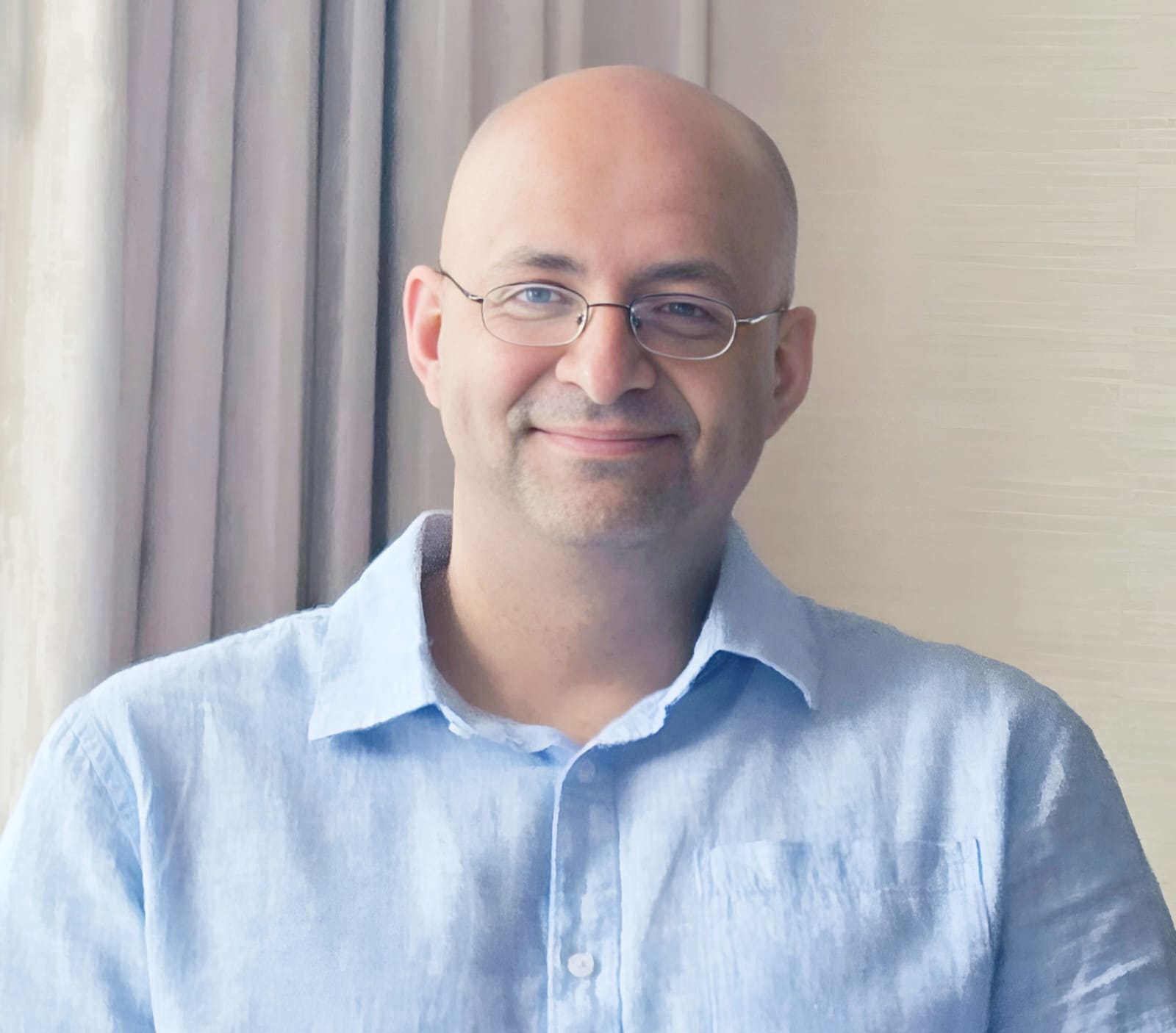
Ahmed Elmokadem, PhD
Pharmacometrician · Researcher · Educator
Ahmed Elmokadem is a pharmacometrician with experience spanning population PK/PD modeling, physiologically based pharmacokinetic (PBPK) modeling, quantitative systems pharmacology (QSP), translational modeling, and model-informed drug development. He earned his PhD in Biomedical Sciences from the University of Connecticut and has applied these methods across multiple therapeutic areas in industry and academic settings.
In addition to traditional pharmacometric approaches, his work has included integrating machine learning and AI into pharmacometric workflows — using neural networks, universal differential equations (UDEs), and hybrid mechanistic–ML models.
He has authored scientific publications in pharmacometrics, PBPK, and QSP, and has taught undergraduate and graduate students, postdoctoral researchers, and practicing scientists through academic and professional training settings.
Publications
Selected publications in pharmacometrics, PBPK, QSP, and AI-assisted modeling.
- Quantitative Systems Pharmacology and Physiologically-Based Pharmacokinetic Modeling With mrgsolve: A Hands-On Tutorial.
- Quantification of the impact of partition coefficient prediction methods on physiologically based pharmacokinetic model output using a standardized tissue composition.
- A quantitative modeling and simulation framework to support candidate and dose selection of anti-SARS-CoV-2 monoclonal antibodies to advance bamlanivimab into a first-in-human study.
- Bayesian PBPK Modeling using R/Stan/Torsten and Julia/SciML/Turing.jl.
- Brexpiprazole pharmacokinetics in CYP2D6 poor metabolizers: using physiologically based pharmacokinetic modeling to optimize time to effective concentrations.
- Hierarchical deep compartment modeling: A workflow to leverage machine learning and Bayesian inference for hierarchical pharmacometric modeling.
- A Model-Informed Drug Development (MIDD) approach for a low dose of empagliflozin in patients with type 1 diabetes.
- Physiologically-based pharmacokinetic model for predicting drug-drug interactions perpetrated by posaconazole in healthy subjects with normal weight and obesity.
Research Areas
- Population pharmacokinetic and pharmacodynamic modeling
- Physiologically based pharmacokinetic (PBPK) modeling
- Quantitative systems pharmacology (QSP)
- Exposure–response analysis and model-informed drug development
- Translational and mechanistic modeling
- Bayesian and hierarchical modeling
- Neural networks, universal differential equations, and hybrid mechanistic–ML models
- Reproducible scientific computing in R and Julia
Teaching Philosophy
Reasoning Before Memorization
Learners should understand the reasoning behind a method before focusing on software implementation. A strong conceptual foundation makes it easier to learn new tools, interpret results, and adapt to new scientific challenges.
Workflow Before Syntax
Real pharmacometric work involves complete workflows — not isolated commands. The courses emphasize data quality, reproducibility, interpretation, and scientific decision-making alongside technical implementation.
Decisions Matter More Than Models
A model is not the final objective. The goal is to support better scientific understanding and better decisions. The courses therefore emphasize interpretation, communication, and decision-focused thinking alongside model development.
About AEAcademy PMx
AEAcademy PMx was created to make pharmacometrics more accessible, practical, and connected to real scientific decision-making — bridging the gap between theory, implementation, and application through structured learning paths that combine conceptual understanding, reproducible workflows, and decision-focused thinking.
The curriculum is designed as a living resource, updated alongside advances in pharmacometrics, scientific computing, Bayesian methods, AI, and quantitative drug development.
Who This Is For
- Scientists entering pharmacometrics
- Clinical pharmacologists and quantitative scientists
- Graduate students and postdoctoral researchers
- Professionals transitioning into model-informed drug development
- Teams seeking structured training in pharmacometrics workflows